
Why Is My Acura Check Engine Light On? 7 Common Causes
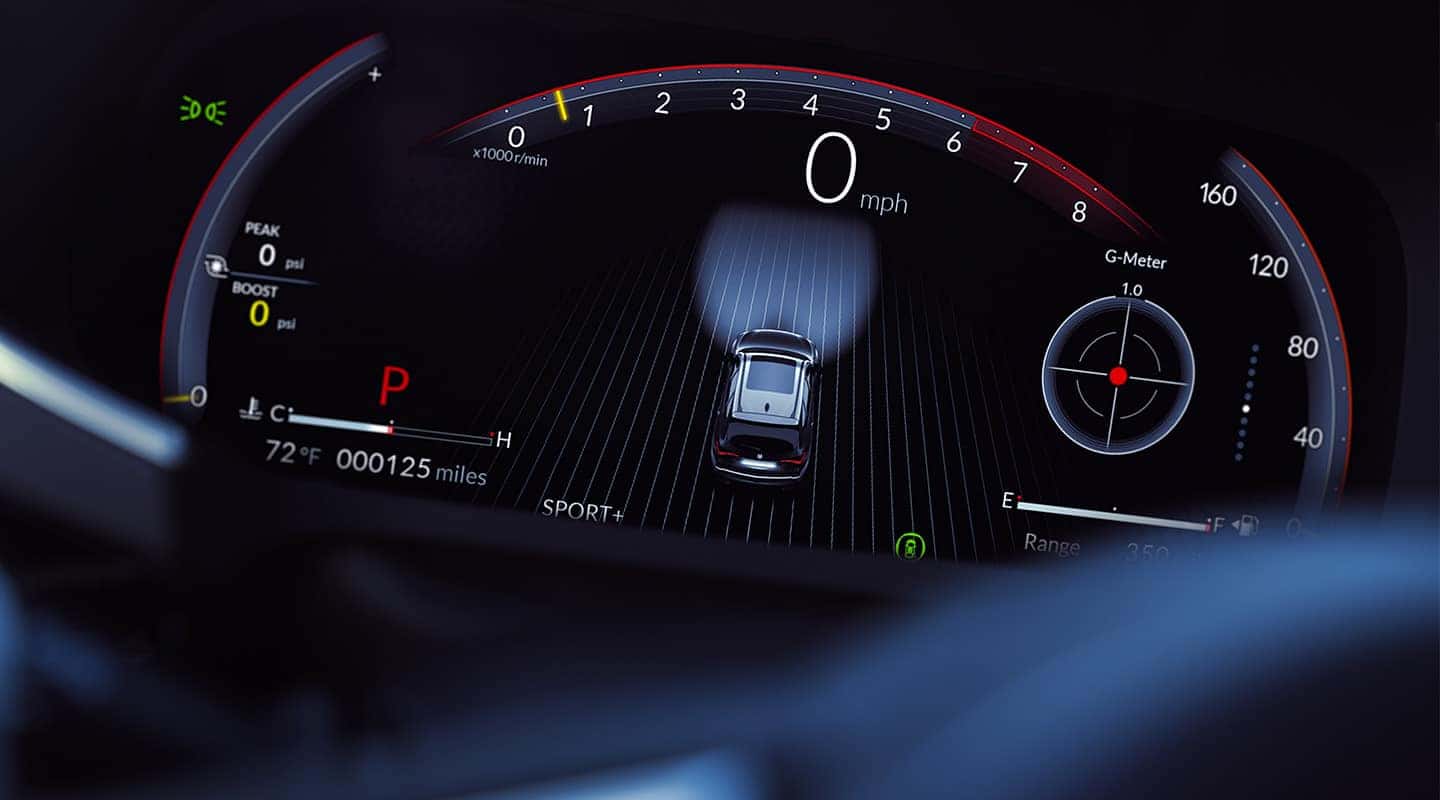
Understanding Your Acura’s Check Engine Light
If you’ve noticed that your Acura’s check engine light is illuminated, you may be feeling a mix of concern and confusion. The check engine light is a critical component of your vehicle’s onboard diagnostic system. It serves as an alert that something may be amiss, requiring your immediate attention. Before you panic, it’s essential to understand what this light signifies.
The check engine light can come on for a variety of reasons, ranging from minor issues to significant problems that could affect your vehicle’s performance and emissions. When you see this warning, it’s an indication that the engine control unit (ECU) has detected a fault in one of the many systems monitored by the onboard diagnostics. This includes everything from the engine and transmission to the fuel and exhaust systems.
To properly address this issue, you should consider conducting a diagnostic check. Many auto parts stores offer free diagnostic scans, which can help identify the specific trouble codes associated with the light. These codes can give you insight into what could be causing the problem, allowing you to take appropriate action.
Loose or Faulty Gas Cap: A Simple Fix for Acura Owners
One of the most common reasons for the Acura check engine light being on is a loose or faulty gas cap. It might seem trivial, but this issue can lead to a variety of problems, including decreased fuel efficiency and increased emissions. If the gas cap isn’t secured correctly, it can cause fuel vapors to escape and trigger the warning light.
To check if this is your issue, start by inspecting your gas cap. Make sure it’s tightly secured and in good condition. If you notice cracks or wear, replacing the gas cap is a simple fix that can often resolve the issue quickly. After replacing or securing the gas cap, give it some time; it may take a few driving cycles for the check engine light to reset on its own.
If the light remains illuminated after addressing the gas cap, there may be other underlying issues that need attention. Always keep in mind that while a gas cap problem is a straightforward fix, it’s vital to monitor your vehicle’s performance and diagnostic codes to ensure no other issues are present.
Oxygen Sensor Issues: Symptoms and Replacement Costs
Another common reason for your Acura’s check engine light to be on relates to oxygen sensor problems. The oxygen sensor monitors the level of unburned oxygen in your exhaust gases, helping the engine control unit (ECU) optimize fuel efficiency and emissions. If the sensor fails or becomes faulty, it can lead to poor engine performance and increased fuel consumption.
Symptoms of a malfunctioning oxygen sensor may include poor fuel economy, rough idling, and a noticeable decrease in engine performance. If you’re experiencing these symptoms, it’s advisable to get your vehicle checked immediately. Ignoring these signs can lead to more severe complications, including damage to other engine components.
As for the replacement costs, they can vary widely depending on your Acura model and the labor rates in your area. On average, you can expect to pay between $200 to $300 for oxygen sensor replacement, including parts and labor. It’s a good investment considering that a functioning oxygen sensor plays a crucial role in your vehicle’s overall health and efficiency.
Catalytic Converter Problems: Dealing with the P0420 Code
When your Acura’s check engine light illuminates due to catalytic converter issues, it often presents itself with the P0420 trouble code. This code indicates that your vehicle’s catalytic converter is not performing efficiently. The catalytic converter is vital in reducing harmful emissions and is essential for meeting environmental standards.
Common symptoms of a failing catalytic converter include poor engine performance, decreased fuel efficiency, and a sulfur-like smell from the exhaust. If you suspect that your catalytic converter is failing, it’s crucial to address the issue as soon as possible. A malfunctioning catalytic converter can lead to more extensive damage to the engine and affect your vehicle’s emissions compliance.
Addressing a P0420 code can be costly, with replacement costs typically ranging from $1,000 to $2,500 depending on the make and model of your Acura. Regular maintenance and timely diagnosis of the check engine light can help you avoid these expensive repairs. Always consult with a professional mechanic to get an accurate diagnosis and explore your repair options.
Ignition System Failures: Spark Plugs and Coils
Ignition system failures, particularly with spark plugs and coils, can also trigger the Acura check engine light. The ignition system is responsible for starting the engine and ensuring it runs smoothly. If one or more spark plugs or ignition coils fail, it can lead to misfires, which not only affects performance but also can damage other engine components.
Signs of ignition system issues may include rough idling, decreased acceleration, and poor fuel economy. If you notice these symptoms, it’s wise to check your spark plugs and ignition coils. Typically, spark plugs should be replaced every 30,000 to 100,000 miles, depending on your vehicle and driving conditions. Ignition coils, on the other hand, may last longer but can fail unexpectedly.
Replacement costs for spark plugs are relatively low, ranging from $100 to $300 depending on your Acura model and if you’re doing it yourself or hiring a mechanic. Ignition coils can be pricier, with costs ranging from $200 to $400 for replacement. Regular maintenance and timely replacements can help you avoid the frustration of a check engine light and keep your Acura running smoothly.
When Your Acura’s Check Engine Light Starts Flashing
If your Acura’s check engine light starts flashing, it’s crucial to take immediate action. A flashing light indicates a severe issue, such as a significant misfire that could lead to extensive damage to your engine and exhaust system. This is not merely a warning; it’s a signal that your vehicle needs urgent attention.
When faced with a flashing check engine light, you should reduce your speed and avoid heavy acceleration. Pull over in a safe location and turn off the engine. It’s advisable to have your vehicle towed to a trusted mechanic rather than driving it further, as continuing to drive could exacerbate the problem.
In such situations, diagnostics will be necessary to pinpoint the issue accurately. Many mechanics will use specialized tools to read the error codes, enabling them to determine the best course of action. Don’t ignore a flashing check engine light; it could save you from costly repairs and potential safety hazards.
When to Seek Professional Help for Your Acura
While some issues indicated by the Acura check engine light can be resolved easily, others require professional expertise. If you have addressed simple problems like a loose gas cap and the light remains on, or if you encounter persistent symptoms such as poor performance or strange noises, it’s time to seek help from a qualified mechanic.
Professional mechanics have access to advanced diagnostic tools that can identify the precise cause of the check engine light activation. They can also interpret the diagnostic codes accurately, providing you with a comprehensive understanding of your vehicle’s health. It’s essential to choose a mechanic with experience working on Acura vehicles for the best results.
In addition to diagnostics, a professional can offer insight into regular maintenance practices that can help prevent future occurrences. Whether it’s adhering to service intervals or understanding the importance of timely repairs, their expertise can guide you in maintaining your Acura in top condition.
In summary, understanding why your Acura check engine light is on is vital for maintaining your vehicle’s health and performance. From simple fixes like a loose gas cap to more complex issues involving the catalytic converter or ignition system, awareness allows you to address problems before they escalate.
Always be proactive when dealing with your Acura’s check engine light. Regular diagnostics and maintenance can save you time, money, and stress in the long run. If you’re ever in doubt, don’t hesitate to consult a professional to get your Acura back in optimal condition.
Don’t wait until minor issues turn into major repairs. Schedule your diagnostic check, with Rallye Motor Company, today and ensure your Acura remains reliable and efficient!



0 comment(s) so far on Why Is My Acura Check Engine Light On? 7 Common Causes