
Acura vs Honda: Comparing Performance, Features, and Value
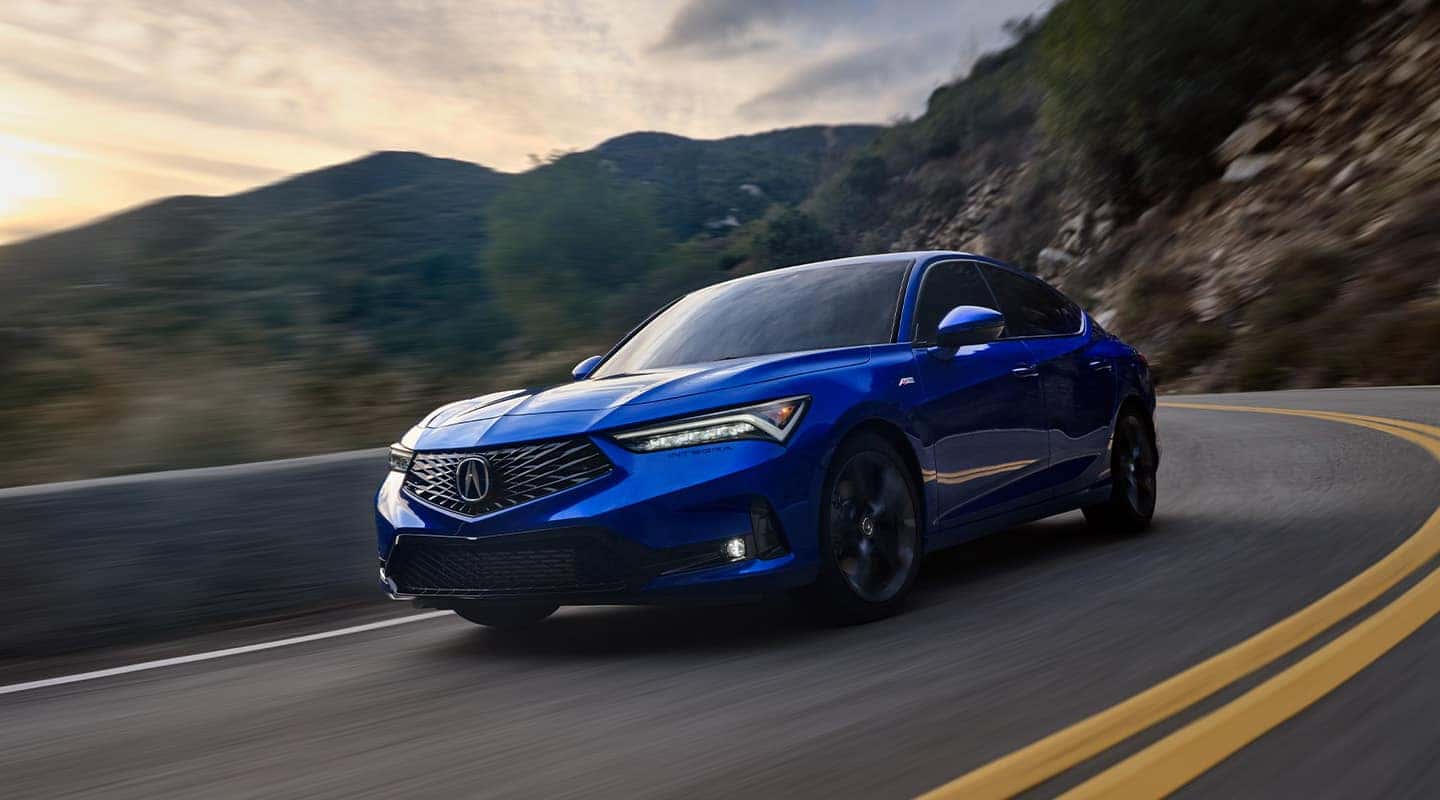
Acura vs Honda: A Comparative Study of Brands
When exploring the automotive market, two brands frequently emerge in discussions: Acura and Honda. Although they are both connected under the same parent company, Honda Motor Co., they cater to different segments and needs, leading to divergent paths in terms of performance, features, and overall value. Understanding the differences between Acura and Honda can help you make an informed decision based on your specific preferences and requirements.
Brand Overview
- Honda: Known for its practicality, reliability, and affordability, Honda has established itself as a dominant player in the global auto industry. It offers a wide range of vehicles, including sedans, SUVs, and trucks that appeal to a broad audience. Honda’s reputation for fuel efficiency and low maintenance costs makes it a popular choice for budget-conscious buyers.
- Acura: As Honda’s luxury division, Acura focuses on providing premium vehicles that combine performance with elegance. Acura models are equipped with advanced technology and luxurious features, catering to those who seek a more sophisticated driving experience. While it shares some components with Honda, Acura vehicles are designed to offer a higher level of refinement and innovation.
Key Differences
To better understand the distinctions, consider the following key points:
- Target Audience: Honda targets mass-market consumers, while Acura aims at luxury vehicle enthusiasts.
- Price Range: Acura vehicles generally come with a higher price tag due to their premium features and materials.
- Brand Perception: Honda is synonymous with reliability and practicality, while Acura is associated with luxury and performance.
Acura vs Honda: Maintenance Costs
Maintenance costs are a critical factor when deciding between Acura and Honda. The cost-effectiveness of a vehicle in terms of maintenance can significantly influence your long-term ownership experience.
| Feature | Honda | Acura |
|---|---|---|
| Average Annual Maintenance Cost | $400 – $600 | $500 – $800 |
| Typical Oil Change Cost | $50 – $90 | $70 – $120 |
| Typical Brake Pad Replacement (per axle) | $150 – $300 | $200 – $400+ |
| Cost of Common Parts | Lower | Higher |
| Estimated 10-Year Maintenance Cost | $6,000 – $8,000 | $7,000 – $10,000+ |
| Resale Value (relative) | Good | Very Good to Excellent |
Cost Comparison
- Routine Maintenance: Honda vehicles are renowned for their affordability in terms of routine maintenance. Oil changes, brake pad replacements, and other minor services tend to be less expensive for Honda models compared to Acura.
- Replacement Parts:Genuine Acura parts are typically pricier than Honda parts. This is largely due to the premium nature of Acura’s components, which are often designed to enhance performance and luxury.
- Longevity and Reliability: Both brands boast a strong reputation for reliability, which means fewer trips to the mechanic. However, when repairs are necessary, Acura’s higher-end components may result in steeper repair bills.
Long-term Considerations
- Resale Value: Acura vehicles tend to retain their value better than Honda models, partially offsetting their higher maintenance costs over time.
- Warranty Coverage: Both brands offer extensive warranty coverage, providing peace of mind for new vehicle owners. Acura’s warranty often includes additional perks that align with its luxury status.
Acura vs Honda: Performance Comparison
Performance is a defining factor for many car buyers, and it plays a significant role in distinguishing Acura from Honda.
| Feature | Acura | Honda |
|---|---|---|
| Base Engine Horsepower (Typical Sedan) | 180 – 250 hp | 140 – 200 hp |
| Available Engine Upgrades | Frequently includes significantly more powerful engine choices (e.g., V6, Turbo). | Often focuses on slightly more powerful, efficient options. |
| Typical Powertrain Focus | Front-Wheel Drive (FWD) standard on some; more emphasis on available All-Wheel Drive (AWD) and Super Handling All-Wheel Drive (SH-AWD). | Front-Wheel Drive (FWD) primarily, some All-Wheel Drive (AWD) options. |
| 0-60 mph (Typical Sedan) | 5.5 – 7.5 seconds (depending on engine/model) | 7 – 9 seconds |
| Handling Feel | More engaging, responsive, with better grip and cornering capabilities (especially with SH-AWD/P-AWS). | Comfort-oriented, predictable, good for daily driving. |
| Ride Comfort | Can be slightly firmer for enhanced handling but generally still comfortable. | Smooth and comfortable for everyday use. |
| Technology Focus (Performance | More advanced engine and powertrain technologies (e.g., variable valve timing, sophisticated AWD systems). | Basic but reliable engine and transmission tech. |
Engine and Powertrain
- Honda: Offers a range of engines that prioritize fuel efficiency and smooth operation. While they provide a satisfactory driving experience, they are not necessarily designed for high-performance driving.
- Acura: Known for integrating performance-oriented features, Acura models often come equipped with more powerful engines and advanced powertrain options. This makes them suitable for those seeking a spirited driving experience.
Driving Dynamics
- Honda: Focuses on delivering a balanced ride with an emphasis on comfort and practicality. Honda vehicles are designed for everyday use, providing a smooth and reliable drive.
- Acura: Delivers enhanced driving dynamics with features such as Super Handling All-Wheel Drive (SH-AWD) and Precision All-Wheel Steer (P-AWS). These technologies improve handling and stability, especially in challenging driving conditions.
Deciding between Acura and Honda in terms of performance largely depends on your personal preferences. If you prioritize a high-performance, engaging driving experience, Acura may be the better choice. However, if fuel efficiency and ease of driving are more important, Honda remains a solid option.
Honda vs Acura: Fuel Efficiency
Fuel efficiency is another crucial aspect for many car buyers, influencing both cost and environmental impact.
| Model | Powertrain | City MPG | Highway MPG | Combined MPG |
|---|---|---|---|---|
| Honda Civic (LX) | Gasoline | 31 | 40 | 35 |
| Acura Integra (Base CVT) | Gasoline | 30 | 37 | 33 |
Efficiency Ratings
- Honda: Generally recognized for its impressive fuel efficiency, Honda vehicles are designed with economic driving in mind. Models such as the Honda Civic and Honda Accord often lead their segments in terms of miles per gallon.
- Acura: While offering decent fuel efficiency, Acura models tend to consume more fuel due to their performance-oriented design and powerful engines. However, Acura has made strides with hybrid options that provide better fuel economy without sacrificing performance.
Environmental Impact
- Honda: With a broader range of hybrid and electric models, Honda is committed to reducing its environmental footprint. The brand’s focus on sustainable technologies aligns with the needs of environmentally conscious consumers.
- Acura: While not as focused on hybrid technology as Honda, Acura’s advancements in engineering have resulted in more fuel-efficient luxury vehicles.
Decision Factors
When choosing between the two brands, consider:
- Driving Habits: Frequent long-distance drivers might benefit more from Honda’s fuel efficiency.
- Environmental Concerns: Honda’s broader eco-friendly lineup may appeal to those focused on reducing emissions.
Acura vs Honda: Technology Features
In today’s digital age, technology features are a top priority for many consumers. Acura and Honda both offer impressive tech, but with different focuses.
In-Vehicle Technology
- Honda: Focuses on practical technological features that enhance safety and convenience. This includes Honda Sensing, a suite of safety and driver-assist technologies, and user-friendly infotainment systems.
- Acura: Elevates the tech experience with cutting-edge features such as ELS Studio audio systems, AcuraLink connected services, and advanced navigation systems. These features are designed to offer a more luxurious and connected driving experience.
Safety Innovations
- Honda: Safety is a cornerstone of Honda’s philosophy, with features like Collision Mitigation Braking System (CMBS) and Road Departure Mitigation (RDM) being standard in many models.
- Acura: Offers similar safety features but often includes additional enhancements like AcuraWatch, which provides a comprehensive suite of advanced safety technologies.
Technology Decision
Choosing between Acura and Honda in terms of technology depends on whether you prioritize luxury and innovation or practicality and safety. Acura’s technology features cater to those who desire a premium experience, while Honda offers reliable and straightforward tech solutions.
Acura vs. Honda: What Would Be the Better Choice?
Ultimately, the decision between Acura and Honda comes down to your personal preferences, budget, and specific needs.
Considerations
- Budget Constraints: If affordability and low maintenance costs are your main concerns, Honda vehicles are likely a better fit.
- Luxury and Performance: For those who desire a vehicle with premium features and enhanced performance, Acura is the brand to consider.
- Long-term Value: Evaluate the resale value, warranty options, and long-term reliability of both brands to ensure your investment holds its value.
Final Thoughts
- Acura vs Honda Reliability: Both brands offer reliable vehicles, but your choice should align with your lifestyle and driving habits.
- Acura Luxury vs Honda Practicality: Decide whether luxury or practicality takes precedence in your vehicle selection.
If you’re still unsure which brand to choose, visit Rallye Motor Company to test drive both Acura and Honda models. Experiencing the differences firsthand can provide the clarity you need to make an informed decision. Additionally, consulting with automotive experts can further enhance your understanding of what each brand offers.
Explore the unique offerings of Acura and Honda today and discover which brand truly resonates with your lifestyle and driving aspirations.



0 comment(s) so far on Acura vs Honda: Comparing Performance, Features, and Value